
Telcos could play a huge role in making cloud computing more resilient as cloud’s importance in critical infrastructure comes to the fore, including for dual use?
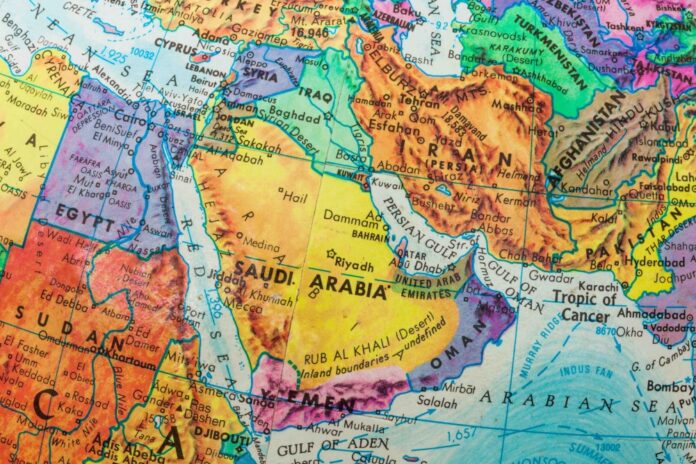
Amazon’s damaged data centres in Bahrain and United Arab Emirates (UAE) will take months to repair the company says. After the US went to war with Iran in February, Iran launched surprise attacks with missile and drone strikes on infrastructure in US-allied neighbouring Arab states and countries in West Asia.
UAE, which is closely allied with US President Trump and has recently said it is leaving the Organization of Oil Producing Countries (OPEC), is now somewhat isolated and a primary target for Iran. The UAE said on Monday that it had intercepted 15 missiles and four drones fired by Iran – the first since a ceasefire was agreed between the US and Iran on 8 April.
One drone attack caused a serious fire at the Fujairah Petroleum Industries Zone, wounding three Indian nationals. Iran also attacked an empty oil tanker belonging to the UAE’s state oil firm as it attempted to sail through the Strait of Hormuz.
“The Middle East (UAE) Region (ME-CENTRAL-1) has suffered damage as a result of the conflict in the Middle East and is currently unable to reliably support customer applications,” Amazon said in this service health statement.
“While some workloads continue to function normally, we strongly recommend customers migrate all accessible resources to other Regions and restore inaccessible resources from remote backups as soon as possible. Relevant billing operations are currently suspended while we restore normal operations in this AWS Region. This process is expected to take several months.”
As RUSI reports, “Tasnim – an Iranian news agency – published a list of ‘legitimate targets’ as defined by the Iranian Revolutionary Guard (IRGC), these included the offices and infrastructures of American technology companies such as AWS, Google, Microsoft, IBM, Oracle and Nvidia. The IRGC also told state media that attacks were intended to identify what role these facilities have in supporting enemy military and intelligence capabilities.”
The strikes are a sharp reminder that although cloud computing is typically referred to as digital, it is grounded in physical assets that are increasingly part of critical infrastructure and possibly dual use – that is military as well as civilian, as the IRGC is only too aware. Consequently, as the situation in the Middle East has shown, they will increasingly be targets.
In April this year, the World Economic Forum stated “telcos must integrate cloud, power, and physical security planning, recognizing them as essential for national economic resilience. It noted, “The Middle East, long a laboratory for energy geopolitics, is becoming the proving ground for the new geography of digital power”.