

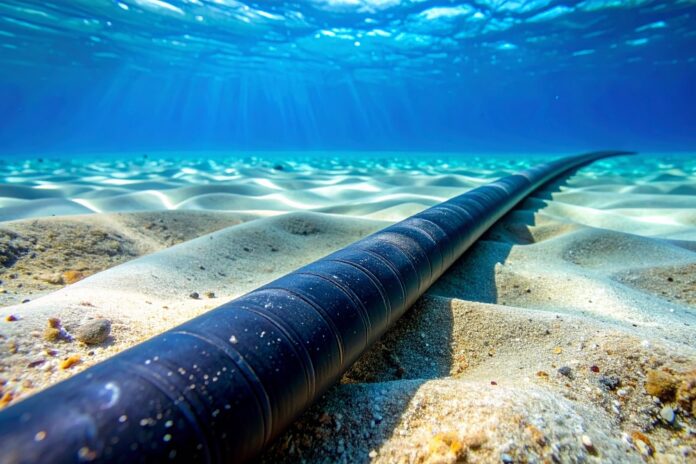
The UK government has unveiled plans to introduce tougher penalties for damaging undersea telecoms cables and energy pipelines, as concerns grow over threats to critical infrastructure.
As a result, the proposals include prison sentences of up to 14 years, unlimited fines and stricter security rules for telecoms operators. The plans aim to update laws that are more than 140 years old, following reports of suspicious Russian activity near undersea infrastructure in UK waters.
This comes as the cables, which carries over 99% of the UK’s international data traffic, are also important to the UK’s economy, while undersea pipelines supply 74% of the country’s gas.

Under the proposed rules, telecoms companies would have to do more to identify and manage security risks to their networks.
The government would also have new powers to order operators to take action to protect cables from threats such as sabotage and espionage. The proposals also include new safeguards for fibre-optic sensing technology, which can detect activity at sea but may pose security risks if sensitive information is exposed.
The announcement follows the discovery of a covert Russian submarine operation near critical undersea infrastructure in April. Most undersea cable damage is caused by accidents involving fishing equipment, ship anchors, bad weather or technical failures.
However, the government says growing security threats mean stronger protection is needed.
Telecoms Minister Ian Murray said: “Undersea cables are the hidden backbone of modern Britain, carrying the data we rely on every day to message friends and family, do our banking, and run our businesses.
“The threats we face have changed dramatically, with suspicious Russian activity around critical undersea infrastructure, yet some of the laws protecting these vital connections date back more than a century.
“We intend to modernise those laws with tougher penalties, stronger requirements on industry and new powers to protect our national security, making sure the UK’s critical infrastructure is fit for the threats of today and tomorrow.”
Energy Minister, Michael Shanks, added: “Undersea pipelines and cables are critical to keeping energy flowing to homes and businesses across the UK. This legislation will further strengthen deterrence and help ensure we can prevent, detect, and respond to threats against our energy supply.”
Security Minister Dan Jarvis concluded: “Undersea cables carry the energy and data our country relies on every day. Protecting them is vital to our national security.
“We’re toughening the law to stay ahead of those who seek to do us harm. Those who deliberately or recklessly damage our undersea infrastructure will face tougher penalties, including longer prison sentences and unlimited fines. These measures are part of the work underway across government to protect our critical infrastructure and keep our country safe.”
IN RELATED NEWS

