

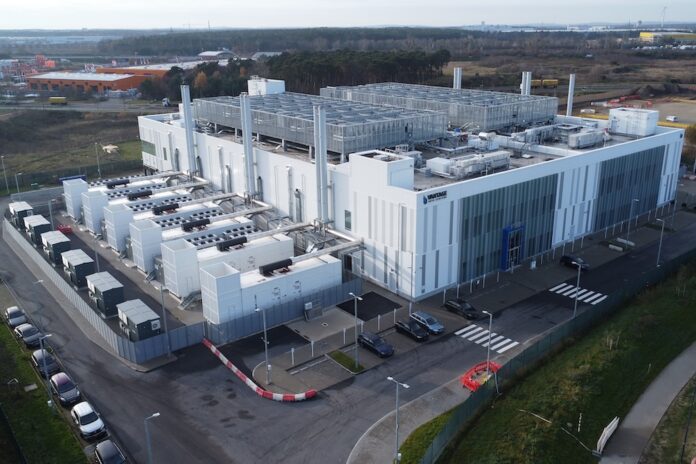
Europe is structurally better placed heading into 2026, with data centres and networks set to benefit from strong policy support, although energy constraints remain
Europe’s digital infrastructure sector is entering 2026 with improved fundamentals, underpinned by stabilising macroeconomic conditions and sustained investment interest, according to a new infrastructure outlook from consultants Alvarez & Marsal.
While deal volumes have normalised following the post-pandemic surge, the report argues that structural drivers, particularly AI-related demand for data centres and associated power networks, place digital infrastructure among the best-positioned asset classes in the region. The report identifies data centres as a core beneficiary of Europe’s shift into a new infrastructure cycle driven by AI, grid modernisation and digital sovereignty objectives.
Digitisation, cloud adoption and the rapid deployment of AI workloads are sharply increasing demand for capacity, with the European Commission targeting a tripling of the region’s data centre load within five to seven years. Meeting that ambition will require an estimated €40 billion in construction investment by 2030, excluding IT hardware, highlighting the scale of opportunity for operators, investors and supply-chain partners.
Although Europe continues to trail the US in installed capacity, with the Northern Virginia market alone exceeding the combined size of Europe’s five largest hubs, Alvarez & Marsal said accelerating momentum across both core and secondary markets. Major build-outs are underway in Frankfurt, Paris and London, alongside growing activity in Madrid, Milan and Helsinki, reflecting a broader geographic spread of demand and the search for available power and land.
Energy shaky
Energy availability, however, emerges as the principal constraint on digital infrastructure growth. The report highlights that data centres are already placing unprecedented pressure on European power networks, with grid congestion, long connection queues and limited substation capacity increasingly shaping where and how new facilities can be developed. In Italy alone, requests from data centres seeking grid connections exceeded 300 projects totalling more than 50GW by mid-2025, underscoring the scale of latent demand.
To support digital expansion, the report points to battery storage as a critical enabler, particularly as hyperscale operators pursue 100% renewable energy strategies. Across Europe, unlocking further data centre growth will depend on accelerating investment in transmission, distribution and storage infrastructure, as well as reforms to grid connection regimes that prioritise projects that are genuinely ready to build.
In the UK, data centres were designated as Critical National Infrastructure in 2024, and government initiatives such as AI Growth Zones and the Compute Roadmap are expected to drive a fivefold increase in annual data centre investment, reaching around £10 billion by the end of the decade. These measures have helped crowd in private capital, but the report cautions that the UK still faces similar challenges around grid capacity, planning timelines and skilled labour shortages.
Across Europe more broadly, the report concludes that 2026 represents a turning point rather than a cyclical rebound. Capital remains available and investor appetite for digital infrastructure is strong, supported by infrastructure’s defensive characteristics and predictable cash flows. However, execution risk is rising, and success will increasingly depend on disciplined project selection, energy access and the ability to navigate regulatory and permitting complexity.