
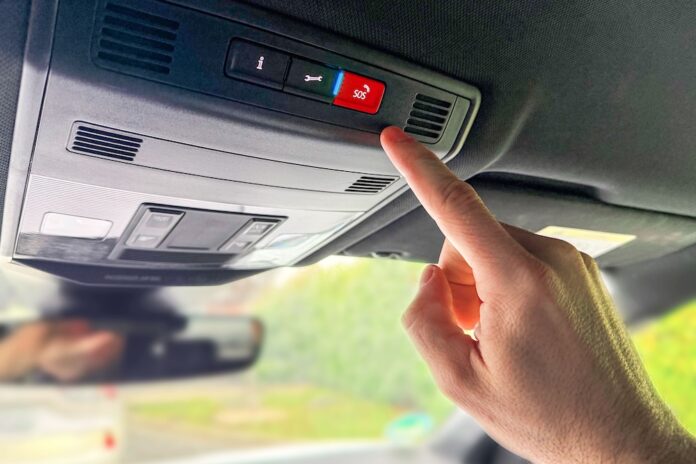
Vodafone, Deutsche Telekom and O2 Telefónica have launched NG eCall on their German networks, moving vehicle emergency calling from 2G to LTE
Germany’s three nationwide mobile network operators have begun rolling out Next Generation Emergency Call (NG eCall) technology, enabling cars to place automatic emergency calls over modern mobile networks rather than relying on ageing 2G infrastructure. The move represents a significant milestone in the evolution of the EU-mandated eCall system, according to the operators, which has been compulsory for all new vehicle models since April 2018.
Under NG eCall, emergency calls are established using 4G LTE networks, with a roadmap to support 5G as coverage expands. This replaces the circuit-switched 2G-based approach used by the original eCall system, which most in the industry have long regarded as technically outdated, particularly as 2G and 3G networks are progressively being phased down or refarmed across Europe.
Vodafone, Deutsche Telekom and O2 Telefónica confirmed that NG eCall is now active in their German networks, operating in parallel with the existing eCall system. Vehicles and public safety answering points that are not yet NG eCall-capable will continue to fall back to the legacy 2G-based solution, ensuring continuity of service during the transition period.
The operators say the new system offers faster call setup times and more efficient data transmission. As with the original eCall, NG eCall automatically contacts the emergency number 112 following a serious accident, transmitting a minimum set of data including the vehicle’s location and direction of travel. However, by using packet-based LTE networks and IMS-based emergency call signalling, NG eCall removes previous constraints on data volumes and transmission methods.
“This is a safety gain for consumers on Germany’s roads,” said O2 Telefónica chief technology and enterprise officer Mallik Rao, describing NG eCall as “a digital emergency call pillar for the car” that should not depend on obsolete radio technology. He added that the effectiveness of the system ultimately depends on the quality and reach of the underlying mobile networks.
Beyond faster voice connectivity, NG eCall is widely seen as an enabler for future, data-rich emergency services. With the consent of vehicle occupants, additional information such as medical data or live images from in-car cameras could be transmitted to emergency call centres, allowing responders to assess situations more accurately before arriving on scene. Integration with occupants’ smartphones could also allow direct contact even if passengers leave the vehicle after an accident.
Regulatory timelines are now driving adoption. From 1 January 2026, all new cars launched on the European market must be equipped with NG eCall to obtain type approval. This requirement extends to all newly produced vehicles from January 2027, accelerating the shift away from legacy technologies.
Deutsche Telekom said NG eCall has been technically available across its network since the end of 2023, with regional activations used for testing. During these trials, networks broadcast an NG eCall indicator to inform vehicle systems of network readiness.
For operators, the rollout also underscores the importance of ubiquitous 4G and 5G coverage along roads, including rural areas. O2 Telefónica claims to reach almost 100% of the German population with 4G and around 99% with 5G, supported by more than 29,000 mobile sites. As millions of vehicles in Germany already support eCall, the industry now faces the next challenge of upgrading both cars and infrastructure.