

When networks perform well, they are largely invisible; when they do not, the impact is immediate and widespread
Telcos have always been judged on reliability. For customers, the key measures remain simple: access to service, consistent performance and predictable cost. When they work well, they are taken for granted. When they fail, they cause chaos.
That is why major outages continue to attract so much attention. Past incidents, highlight how important service continuity for both customers and operators. At the same time, telco’s investment in new technologies indicates rising appetite for AI-first network management is becoming more prominent, and a wider shift in how telcos think about operational resilience.
Networks generate huge volumes of operational data every second, and AI can help operators to interpret that information more quickly than manual processes alone. Applied effectively, it can support earlier detection of anomalies, faster root cause analysis, and more informed decision making. In this context, AI is becoming a practical tool for improving service continuity and helping telcos maintain the level of reliability their customers expect.

Turnering network data into clearer actionable insight
One of the most immediate benefits of AI in telecoms is its ability to process scale. Telco networks produce a constant flow of call records, traffic data, alarms, logs, performance metrics, and system events. This is far too complex for human teams to interpret in real time, especially when multiple issues are happening at once.
AI can help by analysing that data in seconds, identifying unusual patterns, and highlighting where further investigation is needed. That gives operators a clearer view of what is happening across the network and helps them act more quickly when something changes.
This is particularly useful given outages are often not the result of one obvious failure. They can begin with a small fault or a degradation in performance that becomes more serious over time. AI can help telcos spot those signals earlier and respond before they develop into larger incidents.
Recent research from TCS reflects this growing role for AI in operations. It found that 81% of telecom operators are using AI to strengthen networks and operations. That suggests the industry is moving beyond experimentation and into more practical use of AI where operational value is clear.
Building the right foundations
While AI brings clear benefits, the underlying infrastructure also has to be ready. Networks must modernise to support reliable data flows, integration across systems, and clear operational visibility. If the environment is too fragmented or difficult to monitor, AI struggles to produce insights that operators can trust and act on.
That is why infrastructure matters so much in AI deployment. It gives AI the clean, connected, and observable foundation it needs to work properly. The more stable and well maintained the network environment is, the more accurate and useful AI-driven analysis becomes — especially when operators are trying to detect issues early or respond to changing conditions in real time.
Human expertise is equally important. AI can process vast amounts of information quickly, but it still needs engineers who understand the network, the business context, and the operational implications of an issue. Those teams know how to interpret what the data is showing, what matters most, and how to respond in a way that protects service continuity.
AI is most effective when it is deployed into an environment where both the technology and the people are ready for it. The infrastructure must support the data, and the teams must be able to use the insight.
AI can support faster response, fewer disruptions
When the infrastructure and human-led expertise are in place, AI becomes a powerful tool for improving reliability, speed of response and overall network performance, helping telcos respond sooner and more precisely.
AI-enabled systems can flag abnormal behaviour before customers are likely to notice and correlate signals across different parts of the network, helping operators narrow down likely root causes more quickly. It can also assist with prioritisation when several issues arise at once, so teams focus on the incidents most likely to affect service continuity.
Over time, the technology can also support predictive maintenance by identifying patterns that may indicate future failure. This allows telcos to move from a reactive approach to a more proactive one, where issues are addressed earlier in the lifecycle, helping to deliver the continuous, consistent service quality customer satisfaction depends upon.
Making reliability more intelligent
Autonomous networks (AN) are increasingly becoming part of telcos’ strategy. A well-functioning autonomous network should help operators manage complexity, recover faster, and adapt more effectively to changing conditions. It should support continuous, predictable service and help reduce the operational burden on engineering teams.
With new technologies, the industry now has a clear opportunity to improve how networks are monitored, maintained, and managed. AI can help operators see more, understand more, and act more quickly. It can improve the quality of incident response, reduce uncertainty during disruptions, and help maintain a more stable service environment.
The most useful applications are likely to be those closest to operational reality: anomaly detection, faster root cause analysis, predictive maintenance, incident prioritisation and decision support. These are practical areas where AI can help telcos strengthen service continuity and improve customer experience.
AI is therefore, becoming an important enabler for telcos to meet customer expectations in a more complex operating environment. The operators that use it well will be better placed to maintain service quality, respond more effectively, and build the resilient networks their customers depend on.
This is a companion article to Infra first: how telcos can build networks fit for the AI era, published in May, by the same author.
About the author
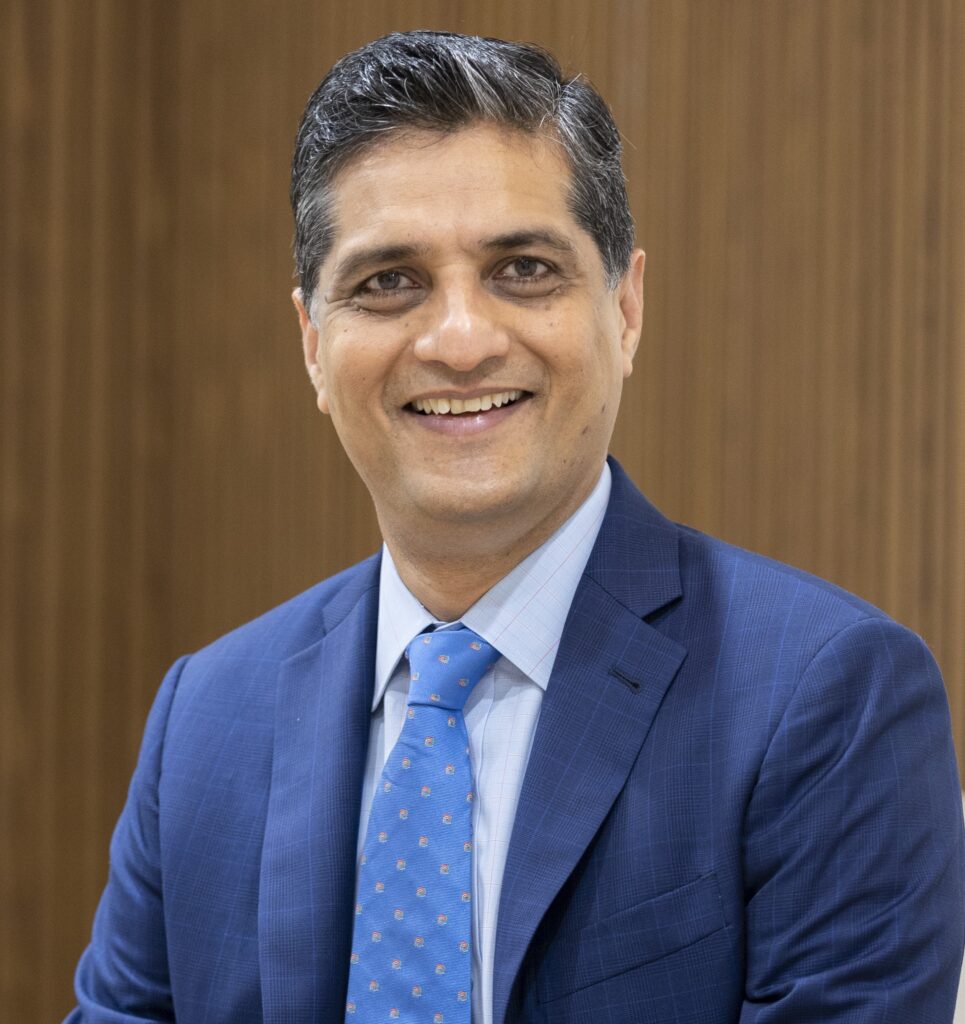
Akhilesh Tiwari is President, Communications, Media and Information Services (CMI) at Tata Consultancy Services (TCS).