

Ethio telecom, Djibouti Telecom and Sudatel Group signed strategic agreement under the Horizon Fiber Initiative
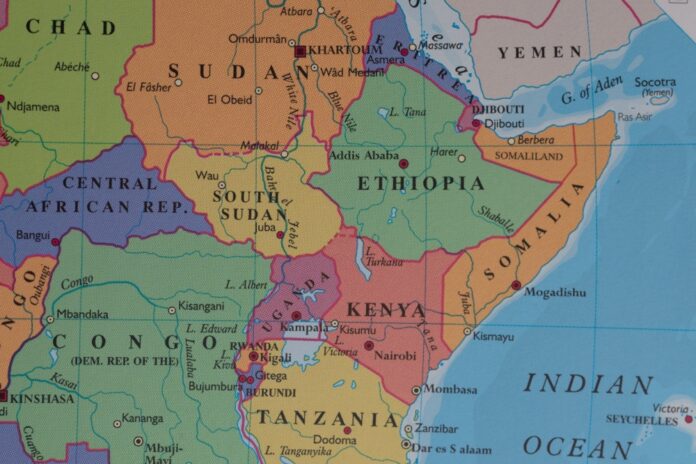
Ethio telecom, Djibouti Telecom and Sudatel Group have signed what they call a landmark strategic agreement, under the Horizon Fiber Initiative. They will create “a resilient terrestrial fiber corridor connecting the international submarine cable landing stations in Djibouti, traversing Ethiopia, and extending onward to Sudan’s landing stations”.
They say this new route will provide a scalable, secure and diversified regional connection linking East Africa to global digital networks. The Horizon Fiber Initiative is designed to add international bandwidth capacity and strengthen network resilience and redundancy.
The agreement will also help meet the rapidly growing demand for data, cloud services, hyperscale connectivity, digital platforms and cross-border data flows in the region. According to the three parties, “It responds directly to Africa’s accelerating digital economy driven by cloud adoption, fintech, e-commerce, AI, content delivery, and enterprise digitalization”.
Leveraging complementary assets
Through this strategic collaboration, the three operators will leverage their complementary infrastructure assets, technical expertise and operational capabilities to deliver:
- Multi-terabit optical fibre capacity to meet traffic growth
- Carrier-grade, low-latency international connectivity for cloud and hyperscale services
- Diversified and secure cross-border routes that for better regional resilience
- Improved service reliability for operators, enterprises, content providers and hyperscalers.
The collaboration builds on a Memorandum of Understanding signed in Addis Ababa on 3 December 2024, recognising the strategic importance of establishing a secure alternative international route. Since then, the three operators have jointly developed the technical and commercial frameworks required to operationalise the initiative.
The participants say the agreement shows how “African operators can jointly address real-world connectivity challenges while laying the foundation for an integrated, future-ready digital infrastructure that supports Africa’s digital growth, regional integration, and long-term economic transformation”.